June 1st – hurricane season
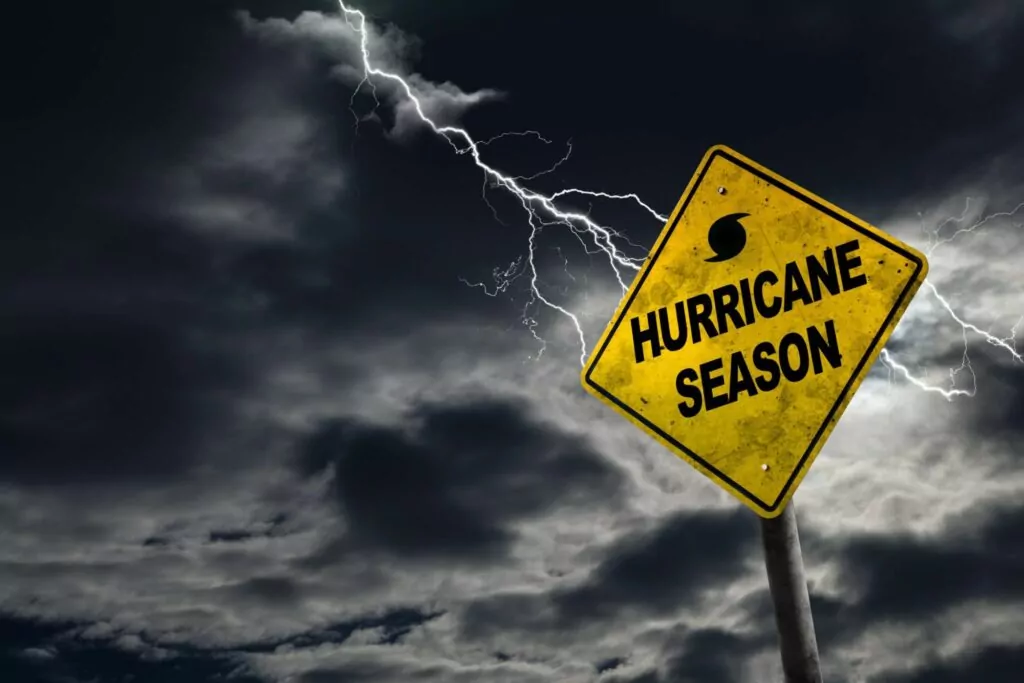
Across the country, June is universally celebrated as the first month of summer. School is out, the weather is warm, and vacation adventures beckon. Unfortunately, in parts of the United States, June brings something that’s not so exciting: the beginning of Hurricane Season.
Hurricane Season begins on the first of June and continues through the end of November. Hurricanes are the most threatening form of natural disaster for a large part of the country. The more severe storms often destroy homes and property and create long-term issues through power outages and flooding. Businesses, of course, are not exempt from the threat of hurricanes, nor are their records. Whether it’s the threat of wind damage, power outages, or flooding, businesses must guard their records and data from the threat of disaster that hurricanes pose.
Let’s Stormproof Your Records
Luckily, it’s possible to create a plan and stormproof your business  records. Just as we prepare our homes and families when destructive hurricanes are on the horizon, we must prepare our businesses and records as well. It takes a bit of planning, but is well worth it. Especially when considering the costs of loss or damage to vital records.
1. Look Out for Vulnerable Records
The first step to stormproof your records is to determine any records that might be exposed to damage or loss in their current location. Records that are stored in basements or standalone metal buildings may be vulnerable to damage from flooding or wind. Ensure none of your business’s vital records are physically vulnerable to storm damage through improper storage and avoid the disaster associated with total loss of records.
2. Identify Integral Internal Records
Next, businesses should identify all records required to maintain and carry out business functions and secure them. Back up any key files and internal records vital to carrying out your business. Ensure that team members can access files in the event of loss of the original. Businesses might also consider investing in a generator to power computer systems in a facility. By doing this, you maintain access to these records in the event of an extended power outage post-hurricane.
3. Call in the Experts
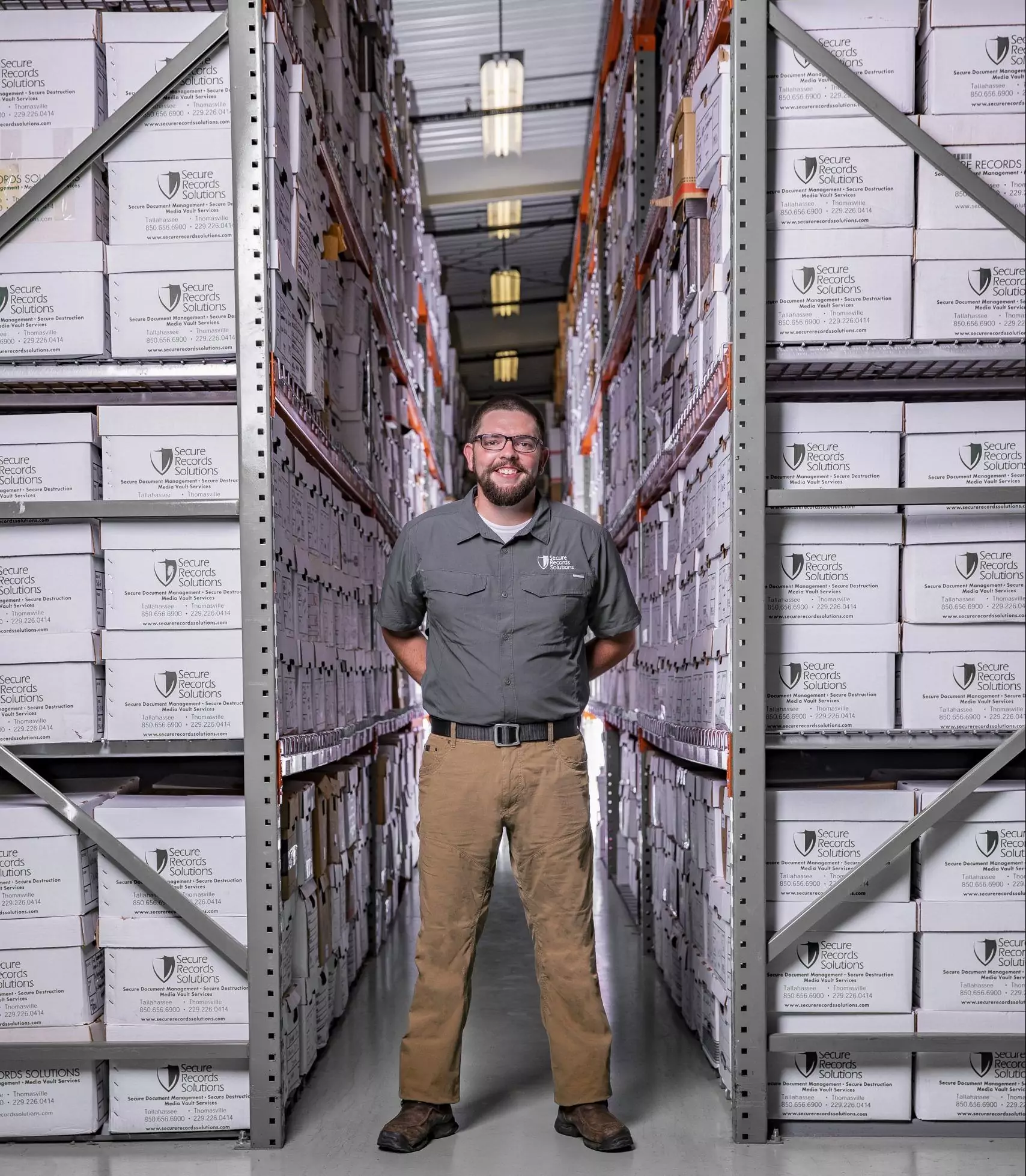 The last step to making sure your business and its records are prepared for Hurricane Season 2022 is to partner with an expert like Secure Records Solutions for your records management needs. Being situated in Thomasville in Southwest Georgia gives us plenty of experience with hurricanes, and our suite of records management tools can help assist your business with any of the above aspects of hurricane preparation. Whether it’s storage in a secure facility off-site, indexing and scanning services that help you organize and secure your files, or general assistance in identifying and storm-proofing certain records, we have a solution for your records management needs. Contact Secure Records Solutions today – we’ll make sure you (or your records) don’t get caught in the rain this hurricane season.