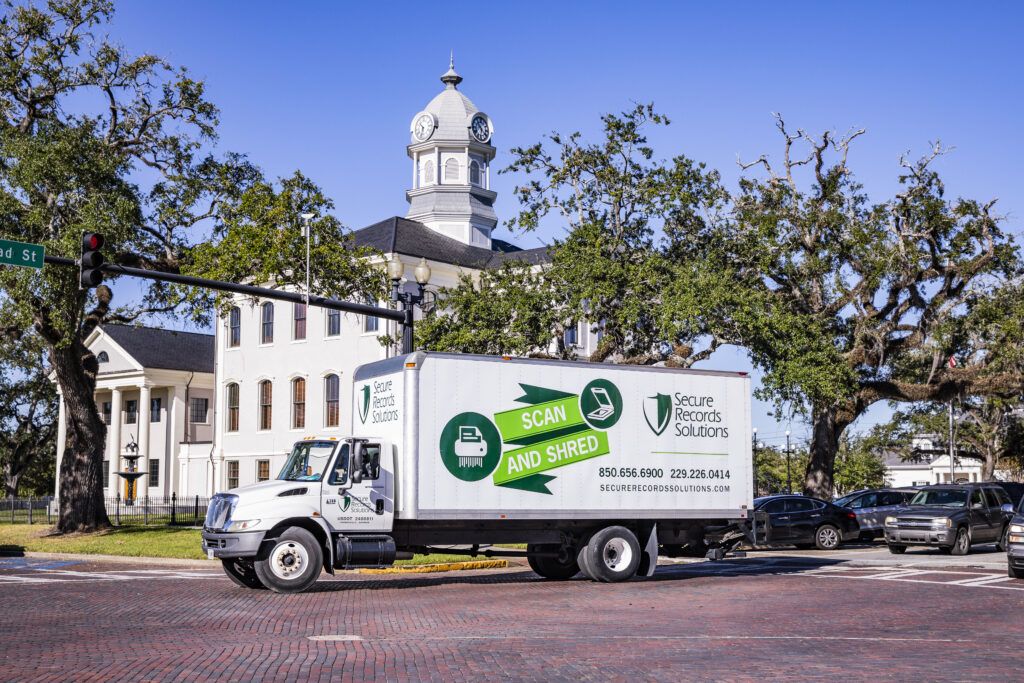

Paper-based workflows continue to drain organizational resources in ways that many Thomasville, Tallahassee, and Augusta businesses fail to recognize. The visible costs of paper, printer ink, and filing cabinets represent just a fraction of what paper processes actually extract from your bottom line. Understanding the full financial impact requires examining both direct expenses and hidden operational drains that accumulate month after month.
The Obvious Expenses Add Up Fast
Most businesses track their paper supply costs. The average office worker uses approximately 10,000 sheets of paper annually. At roughly three cents per page when factoring in paper stock, ink, and printer maintenance, that’s $300 per employee just for basic materials. Multiply that across your workforce, and the numbers become substantial.
But physical storage costs dwarf paper expenses. Filing cabinets consume valuable square footage that could serve revenue-generating purposes. In commercial real estate markets across our service areas, every square foot dedicated to records storage represents lost opportunity.
The Hidden Costs That Drain Productivity
Time theft represents the most significant hidden expense in paper-based systems. Studies indicate office workers spend 30-40% of their time searching for documents. If an employee earning $50,000 annually wastes just 20% of their time on document retrieval, that’s $10,000 in lost productivity per person.
Manual data entry compounds these losses. Transferring information from paper forms into digital systems creates dual-handling inefficiency. The error rates associated with manual entry generate additional costs through corrections, customer service issues, and potential compliance violations.
Compliance and Security Vulnerabilities
Paper documents create liability exposures that many organizations underestimate. Healthcare providers in our regions face HIPAA compliance challenges with physical records. Financial institutions managing paper-based processes risk regulatory penalties. Document management failures can result in fines exceeding thousands of dollars per violation.
Security breaches involving paper records often prove more costly than digital incidents because detection happens slowly. An unauthorized person can photograph sensitive documents without leaving obvious traces.
Quantifying Your Organization’s Paper Burden
We recommend conducting a comprehensive audit to establish your baseline costs. Track these key metrics for thirty days:
- Total paper purchased and pages printed
- Square footage dedicated to active and archived records
- Employee hours spent filing, retrieving, and copying documents
- Shipping costs for physical records transfer
- Insurance premiums covering paper records
Most organizations discover their actual costs exceed estimates by 30-50%. The cumulative impact of small inefficiencies creates substantial financial drain across fiscal years.
Transition Strategies That Minimize Disruption
Moving away from paper-based workflows requires strategic planning rather than wholesale replacement. Our team helps Thomasville, Tallahassee, and Augusta businesses identify high-impact conversion opportunities where digitization delivers immediate ROI.
Scanning services transform legacy paper archives into searchable digital assets. Organizations typically recover implementation costs within twelve to eighteen months through reduced storage expenses and improved productivity. Case studies demonstrate documented savings across multiple industries.
After digitization, secure disposal becomes essential. Professional shredding ensures compliance with privacy regulations while eliminating ongoing storage obligations. The physical space reclaimed often provides immediate tangible value through office reconfigurations or lease reductions.
Long-Term Value Beyond Cost Savings
Digital workflows enable business capabilities impossible with paper systems. Remote work arrangements require digital document access. Customer service improves when representatives access complete information instantly. Business continuity planning becomes viable when critical records exist outside physical locations vulnerable to disasters.
Competitive advantages emerge as operations accelerate. Organizations processing invoices digitally complete payment cycles faster, capturing early payment discounts and strengthening vendor relationships. Additional resources detail transformation possibilities across various business functions.
Frequently Asked Questions
What is the average cost per page in a paper-based workflow?
The true cost per page typically ranges from $15 to $30 when including labor, storage, and retrieval expenses. This far exceeds the three-cent material cost most organizations initially consider. Hidden costs like time spent searching for documents and physical storage space represent the majority of actual expenses.
How much office space do paper records typically consume?
The average office dedicates 15-20% of total square footage to document storage. A four-drawer filing cabinet occupies nine square feet and holds approximately 10,000-15,000 pages. When calculating commercial rental rates in Thomasville, Tallahassee, and Augusta, this space represents significant ongoing expense that could serve more productive purposes.
How long does it take to see ROI after digitizing paper workflows?
Most organizations recover their scanning and digitization investments within 12-18 months through reduced storage costs and improved productivity. Businesses with compliance requirements or high document retrieval frequency often achieve faster returns. The timeline varies based on document volume and current workflow inefficiencies.
What happens to paper documents after they are scanned?
After professional scanning, documents can be securely destroyed through certified shredding services. Organizations must follow retention policies specific to their industry and regulatory requirements. Some records require physical preservation for specified periods, while others can be immediately destroyed after digital conversion verification.
Call us at (800) 614-0856 today!